




Before a personal trainer designs a program or a massage therapist begins a session, the most important work happens in a form.
The intake process in health and wellness is not just a liability requirement. It is a clinical starting point, a trust signal, and a foundation for the kind of personalized care that keeps clients returning, referring, and investing in more services over time. When done well, wellness intake transforms a first appointment into the beginning of a long-term relationship.
Baseline Information Is Where Better Outcomes Begin
Wellness clients come in with goals: get stronger, manage chronic pain, reduce stress, improve mobility. But they also come in with histories that shape what is safe and effective for them. A client currently on anticoagulants, or who had a recent surgery, or who has been using retinoids, needs a different approach than one who has none of those factors in play.
The intake form is where you find out. And the practitioner who finds out before the session, rather than during it, is the one who earns the trust that brings a client back month after month.
Michael Gonzalez of 512 Aesthetics described the intake question that shapes his entire service approach:

Michael Gonzalez , 512 AESTHETICS
Are you currently using any active skincare ingredients such as retinoids, exfoliating acids, or prescription treatments? This helps me ensure the service is safe for their skin while also guiding recommendations for treatments or professional skincare products.”
That single question protects the client and positions the practitioner to make a well-informed recommendation. It also signals expertise in a way that builds confidence before the service even begins.
Contraindications: Asking the Question That Protects Everyone
In wellness services, contraindications are everywhere. Massage should not be performed on areas of active inflammation. Certain fitness modalities are not appropriate during pregnancy or following specific injuries. Some body treatments interact with medications in ways that can cause adverse reactions.
The intake form is the professional’s first line of protection. Darren Chittick of Beech Grove Wellness built his intake form specifically around this:

Darren Chittick , Beech Grove Wellness
“I have a dropdown menu with options that would contraindicate massage for a client. This allows them to know that I can’t give them a massage if any of those things are the case for them, and it allows me to have a chat about that before they are in the building expecting a session. People appreciate that, and when it’s something temporary, they almost always book when they are able.”
This approach protects the client while increasing their trust in the provider. A practitioner who turns away a client for their safety is a practitioner that client will come back to.
Performance Baselines Turn One-Time Visits into Programs
For fitness trainers, health coaches, and physical therapists, baseline data is not just safety information. It is the foundation of a results-based conversation. When you know where a client is starting from, you can show them where they have been. And progress is one of the most powerful retention tools in the wellness industry.
Dominic Anastasio of Forza Fitness uses intake to gather exactly this kind of foundational data:

Dominic Anastasio, Forza Fitness – Oakwood/Kettering
“We ask occupation, current fitness goals and if they have worked with a trainer before.”
Occupation matters because it shapes posture and repetitive stress patterns. Fitness history matters because it calibrates where to start. Goals matter because they anchor every recommendation that follows. These three questions alone give a trainer everything they need to make a first session feel tailored, not generic.
Intake as a Natural Entry Point for Upsells
The smartest wellness intake forms do not just protect against risk. They create an opening for relevant service recommendations. When a client discloses chronic lower back tension, that is an invitation to discuss a targeted massage series. When a client mentions they are training for a half marathon, that is a natural entry point for a recovery package.
Alejandrina Collado of Kneaded for Life captures this opportunity directly:

Alejandrina Collado, Kneaded for Life
“Goals for service or why they are seeking an appointment.”
That answer shapes the session and creates a natural path toward a follow-up recommendation. Danielle Santiago of Ageless Beauty Med Spa takes it one step further:
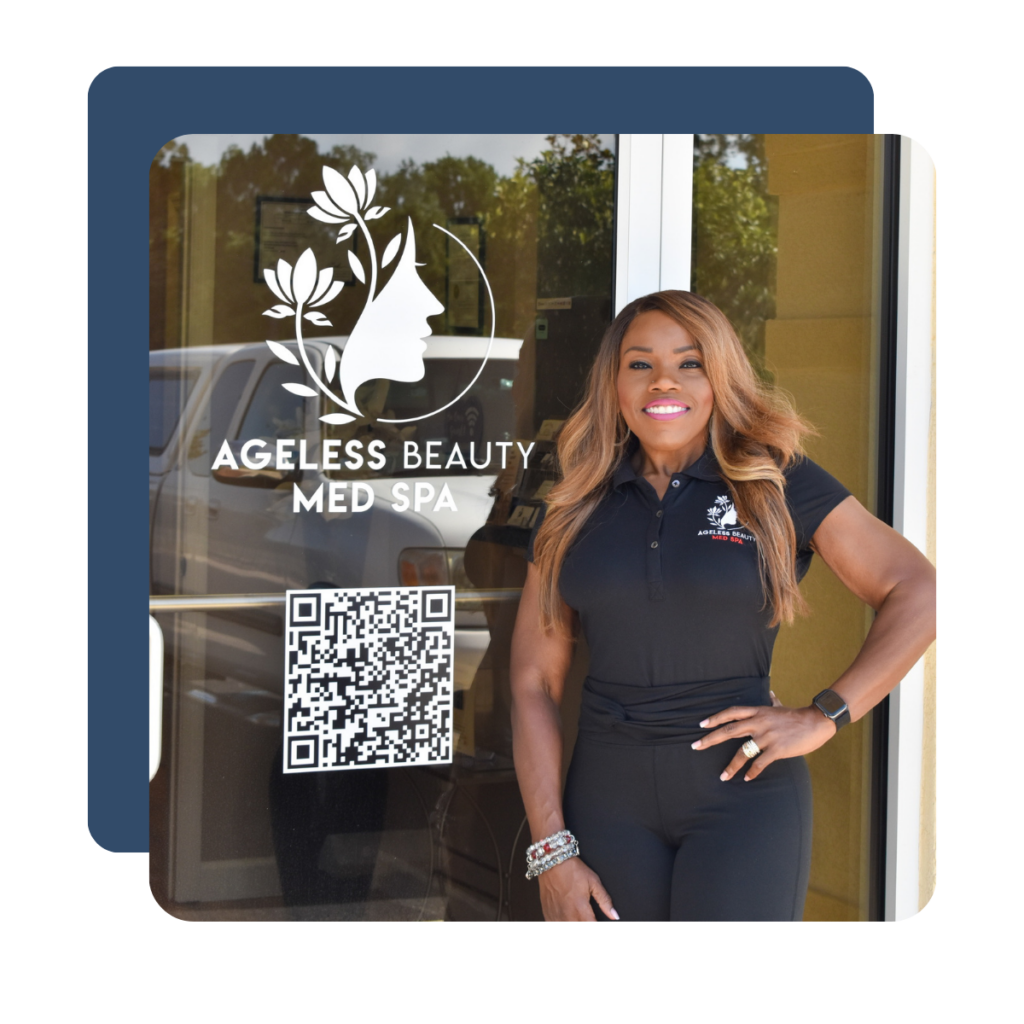
Danielle Santiago, Ageless Beauty Med Spa
“1) Client concerns! 2) Any recent major life changes.”
A recent life change can signal stress-related needs that point directly to the services most likely to deliver real value. This kind of empathetic intake is what builds the loyalty that turns one-time visitors into regulars.
What Well-Designed Wellness Intake Looks Like in Practice
A strong wellness intake might include:
- Current health conditions or recent diagnoses
- Medications, supplements, or active topical treatments
- Recent procedures or surgeries
- Primary goals for this appointment
- History with this type of service
- Any areas to avoid or focus on
- Recent major life changes or significant stressors
That last question is the one many practitioners overlook. It is also the one most likely to create a genuinely useful, personalized conversation.
Building Smarter Intake with PocketSuite
PocketSuite’s custom intake form builder lets wellness professionals design forms specific to their service model. Forms are sent automatically after booking and stored with the client profile, giving every practitioner access to the intake history before the session begins. Combined with Smart Campaigns and automated follow-up sequences, intake data becomes an active part of the retention strategy.
The Form That Earns the Follow-Up Appointment
In wellness, the best advertisement for the next session is the session itself. But the session does not start when the client walks in. It starts when they fill out the intake form and feel, for the first time, that this practitioner is paying attention.
That feeling is what keeps them coming back.
Ready to upgrade your intake process? Explore PocketSuite’s Forms and Client Fields.